Baby Milestone Cards: A Practical Guide For New Parents
By:Author:Welcome Baby Editorial
Updated on:October 20, 2026

- Do Baby Milestone Cards Actually Help You Remember?
- How the Card Habit Actually Works Week to Week
- How Many Milestone Cards a Baby's First Year Needs
- Why Monthly Cards Beat a Daily Photo Habit
- Fitting Milestone Cards Into an Already Full Week
- The Myth That a Missed Card Ruins the Record
- What Actually Changes How Useful the Cards Are
- Common Mistakes That Derail a Milestone Card Routine
- Keeping Milestone Card Photos With Welcome Baby
- Making the Milestone Card Habit Worth Keeping
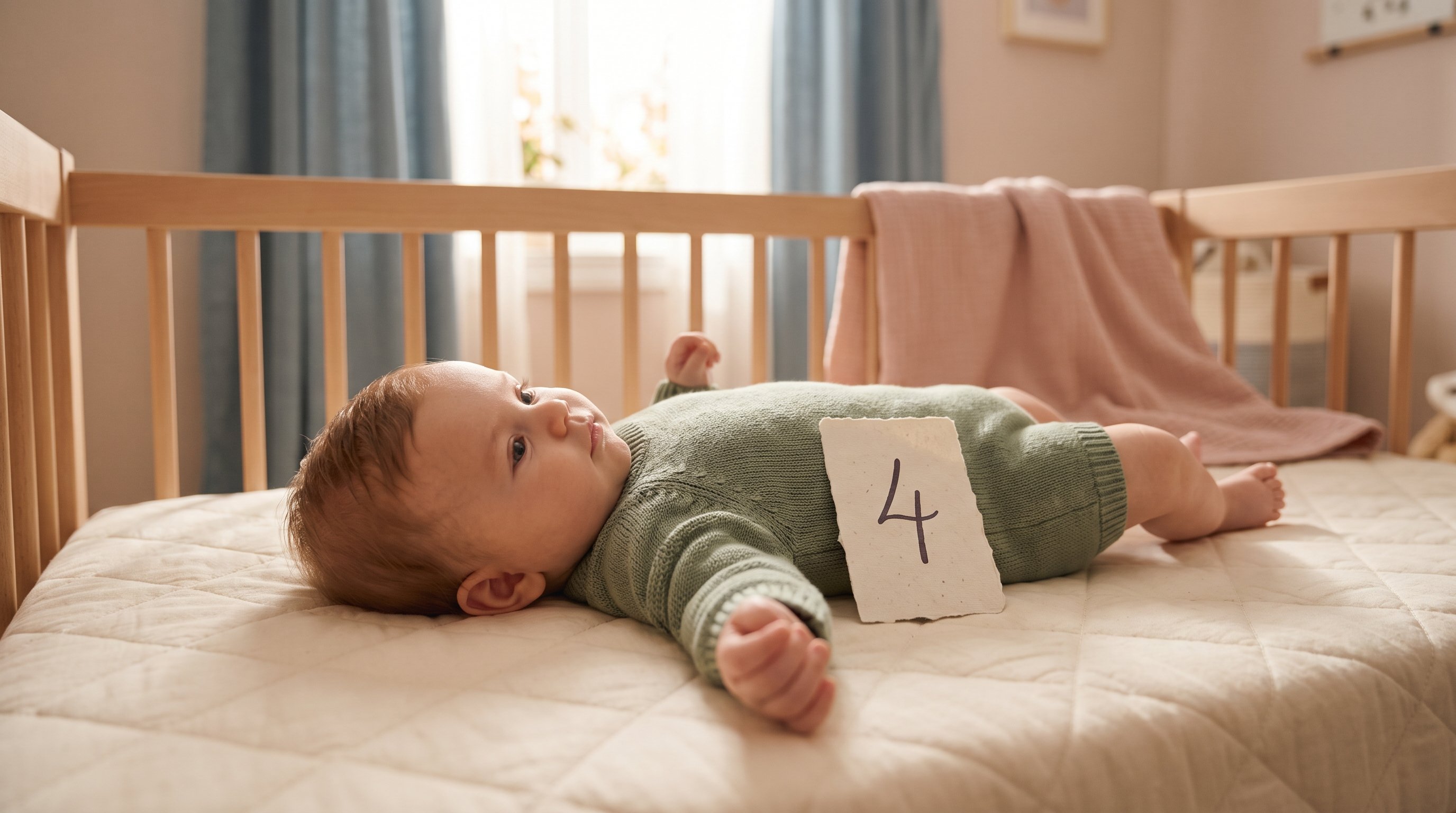
Baby milestone cards are small printed prompts you place next to your baby for a photo, marking a specific age or skill - first smile, three months, first tooth. The point isn't the card itself, it's the habit the card gives you: a reason to stop and take one photo instead of letting the week blur past.
The mechanism is simple. A card gives you a fixed, low-effort trigger - a number, a word, a short prompt - so you don't have to decide what to photograph or when.
This guide covers whether milestone cards actually help, how often to use them, how to fit them into a full week, the mistakes that make people quit, and how to keep the results somewhere they'll actually get looked at again.
Do Baby Milestone Cards Actually Help You Remember?
Yes, in a narrow but useful way - they help because they lower the decision cost of taking a meaningful photo, not because the card has any magic to it.
Here's the arithmetic. A baby's first year has roughly 52 weeks and 12 months - if you use one card per month, that's 12 photos total, each one tagged to a clear point in time instead of a guess based on the filename.
Without a card, most parents still take plenty of photos, but they're untagged and scattered across a camera roll with hundreds of others. With a card, you end up with a short, ordered set you can actually find again - that's the whole value, and it's worth naming honestly instead of overselling it.
How the Card Habit Actually Works Week to Week
The Card Removes the Decision
Instead of asking yourself 'should I take a photo today', the card answers that question for you - it says 'this week, this one.' That's one less decision in a day that's already full of them.
The Repetition Builds the Record
One card on its own is just a nice photo - it's the repeated use, month after month, that turns it into a timeline you can flip through later.
Neither part requires skill or equipment - it's a prompt plus a small repeated action, which is why it tends to survive busy weeks better than more elaborate photo projects.
How Many Milestone Cards a Baby's First Year Needs
Matching Card Frequency to What You'll Actually Keep Up
There's no fixed number that's correct for every family - the right frequency is whichever one you'll still be doing in month ten.

The table below breaks down a few common approaches and what each one actually asks of you across a year.
| Approach | Cards Per Year | Effort Level |
|---|---|---|
| Weekly cards | 52 cards | High, easy to skip |
| Monthly cards | 12 cards | Moderate, steady |
| Milestone-only cards | 6 to 8 cards | Low, flexible |
| First year plus birthday | 13 cards | Moderate, one-time boost |
Why Monthly Cards Beat a Daily Photo Habit
A daily photo habit sounds thorough, but 365 photos a year rarely get sorted, let alone looked at - most parents who try it stop within a few weeks and feel behind for the rest of the year.
Monthly milestone cards ask for 12 photos instead of 365 - a far smaller commitment that's still enough to show real change across the year.
The easier habit wins because it's the one you'll finish - a complete set of 12 beats an abandoned attempt at 365, every time.
Fitting Milestone Cards Into an Already Full Week
Pick one fixed point each month - the day the baby turns another month old, or a Sunday that's easy to remember - and keep the card and a clean spot ready in advance so there's no scrambling.
It helps to have somewhere built for the result, not just the photo - a place to add a line about what's changed that month, not just the image.
This is where Welcome Baby fits in - its guided memory pages give you a structured spot to drop the photo and a short note together, so the milestone card habit turns into something you can actually look back through, not a loose folder of images.
The Myth That a Missed Card Ruins the Record
No, skipping a month doesn't undo the ones you already have, and it doesn't mean you have to start over.
The myth comes from treating the set as all-or-nothing - as if a gap makes the whole project pointless.
The honest answer is simpler - a record with ten cards instead of twelve is still a record worth keeping, and the next one is just whatever month comes next.
What Actually Changes How Useful the Cards Are
Three things make the difference between a card habit that lasts and one that fizzles after month two.
What Changes the Result
- A fixed trigger date - tying the card to the baby's monthly birthday or a set day removes the guesswork about when to do it.
- A ready spot to store it - photos saved straight to one place get looked at again, photos left loose on a phone usually don't.
- A short note alongside the photo - even one line about size, sound or sleep that month turns the image into something you'll actually remember the context of.
Common Mistakes That Derail a Milestone Card Routine
Buying Cards but Not Deciding When to Use Them
A set of cards sitting in a drawer doesn't help - pick the date in advance, ideally the same day each month, so it's not a decision you have to make fresh every time.
Treating a Missed Month As a Reason to Quit
One gap doesn't break the record - pick up again the following month and keep going.

Leaving the Photos Scattered Across Devices
Photos spread across a phone, a cloud account and a few texts to relatives are hard to find later - keep them in one place from the start.
Skipping the Note and Keeping Only the Image
A photo without context fades in meaning - a short line about what that month was actually like fills in what the picture can't show.
Keeping Milestone Card Photos With Welcome Baby
Milestone cards give you the photo - what happens to that photo afterwards decides whether the habit was worth the effort.
Welcome Baby is built around this exact gap - its guided memory pages give each milestone card photo a proper spot, paired with a prompt so you add a line about the month instead of just the image.
It's dedicated to baby's first chapter specifically, with space to capture memories and reflections as that stage unfolds, and it's designed to be filled gradually rather than finished in one sitting - which matches how milestone card photos actually arrive, one month at a time.

Prepare For Your Baby
Your Baby Plan
Making the Milestone Card Habit Worth Keeping
Pick one fixed date this month, get a card and a clean spot ready, and take the photo before the day gets away from you - that single action is what starts the whole habit.
Welcome Baby gives that photo somewhere to live alongside a short note, so by the time the first year is done, you've got a record worth opening again, not a folder you meant to sort.
FAQ
Either works, since the card is only a prompt - a handwritten sign with the age or milestone does the same job as a printed set.
It can be, which is why tying it to a fixed date and keeping the card ready in advance matters more than the card itself.
Start with whichever month you're in now - a record that begins at month four is still a usable record, not a failed one.
Somewhere built to hold both the photo and a short note, not just a camera roll - Welcome Baby's guided memory pages are designed for exactly this, giving each milestone a dedicated spot that grows with your baby.
Share this post