When Do Babies Start Crawling: A Timeline You Can Actually Use
By:Author:Welcome Baby Editorial
Updated on:October 20, 2026
- A Week of Floor Time That Builds Toward Crawling
- How Much Floor Time Crawling Actually Needs
- Why Letting Movement Unfold Beats Forcing a Pose
- Fitting Crawling Practice Into Busy Family Days
- Adjusting Crawling Expectations for Different Babies
- What the Weeks Before Crawling Usually Look Like
- Recording the Crawling Milestone With Welcome Baby
- Making Space for This Stage Without the Pressure
Most babies start crawling somewhere between 6 and 10 months, though plenty move around just fine without ever doing a textbook crawl at all.
Crawling depends on a stack of smaller skills coming together - arm strength, core control, and the coordination to move opposite arm and leg at once. Those pieces build gradually through everyday floor time, not all at once.
This guide covers what a typical week of movement practice looks like, how much floor time actually matters, why chasing a chart backfires, and how to keep a record of your own baby's version of the story.
A Week of Floor Time That Builds Toward Crawling
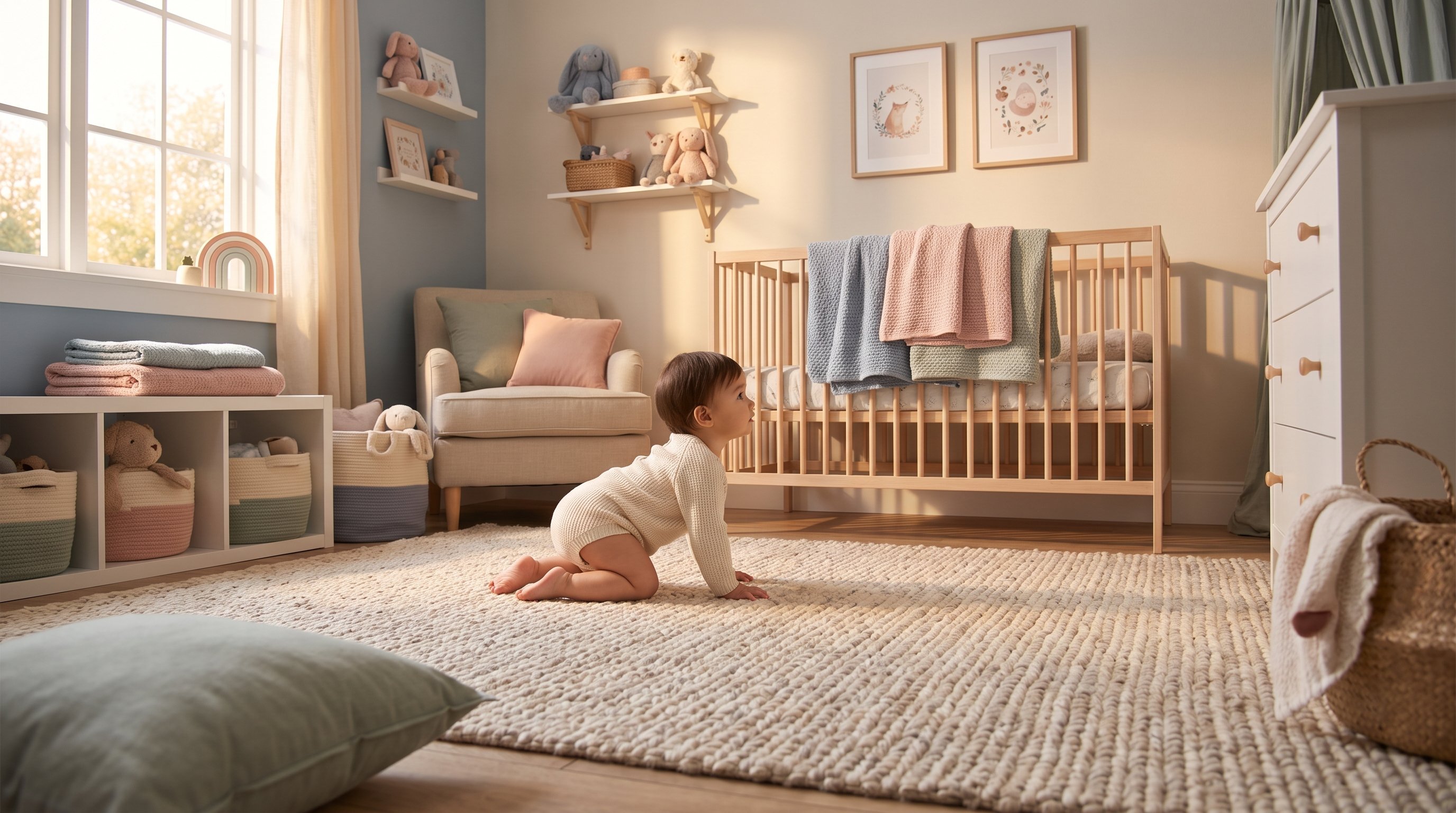
Babies do not need a formal programme to get ready for crawling. A loose weekly rhythm of floor time, reaching, and supervised play does most of the work.
A Sample Week of Movement Practice
- Morning floor time - a few short sessions on a blanket, reaching for a toy just out of grasp
- Midday tummy practice - propping on forearms to look around and lift the chest
- Afternoon rocking - getting up on hands and knees and rocking back and forth without moving forward yet
- Evening wind-down - sitting supported with toys spread in a wide circle to encourage reaching and twisting
- One outdoor or new-surface session - grass, rug, or wood floor to feel different textures underneath
None of this needs to be scheduled to the minute. The point is repetition across the week, not any single perfect session.
How Much Floor Time Crawling Actually Needs
A Rough Guide by Age
The amount of floor time that supports crawling tends to increase as babies get stronger and more interested in moving.
| Age Range | Typical Floor Practice |
|---|---|
| 4-5 months | Short sessions, few minutes each |
| 6-7 months | Several sessions, building endurance |
| 8-9 months | Longer stretches, active exploring |
| 10 months+ | Mostly self-directed movement |
There is no magic number of minutes that guarantees crawling arrives on schedule. What matters more is that the floor time happens regularly, not how long any one stretch lasts.
Why Letting Movement Unfold Beats Forcing a Pose
Some parents try to physically position a baby into a crawling stance, hands under shoulders, knees under hips, hoping repetition will teach the pattern faster.
The easier route is simply giving a baby open floor space and something worth reaching for, then letting them figure out the mechanics themselves.
Babies who are placed into a pose over and over often get frustrated and resist floor time altogether, which slows practice down rather than speeding it up.
Unstructured floor time wins because it keeps showing up day after day. A baby who enjoys the floor will spend more total time there across a week than one who dreads being propped into a position.
Fitting Crawling Practice Into Busy Family Days
Floor time does not need its own slot in the day. It can happen while dinner cooks, during a sibling's homework, or right after a nappy change when the baby is already on a mat.
What tends to get lost in busy weeks is not the floor time itself but the memory of when things started changing - the day the rocking turned into an actual scoot forward.
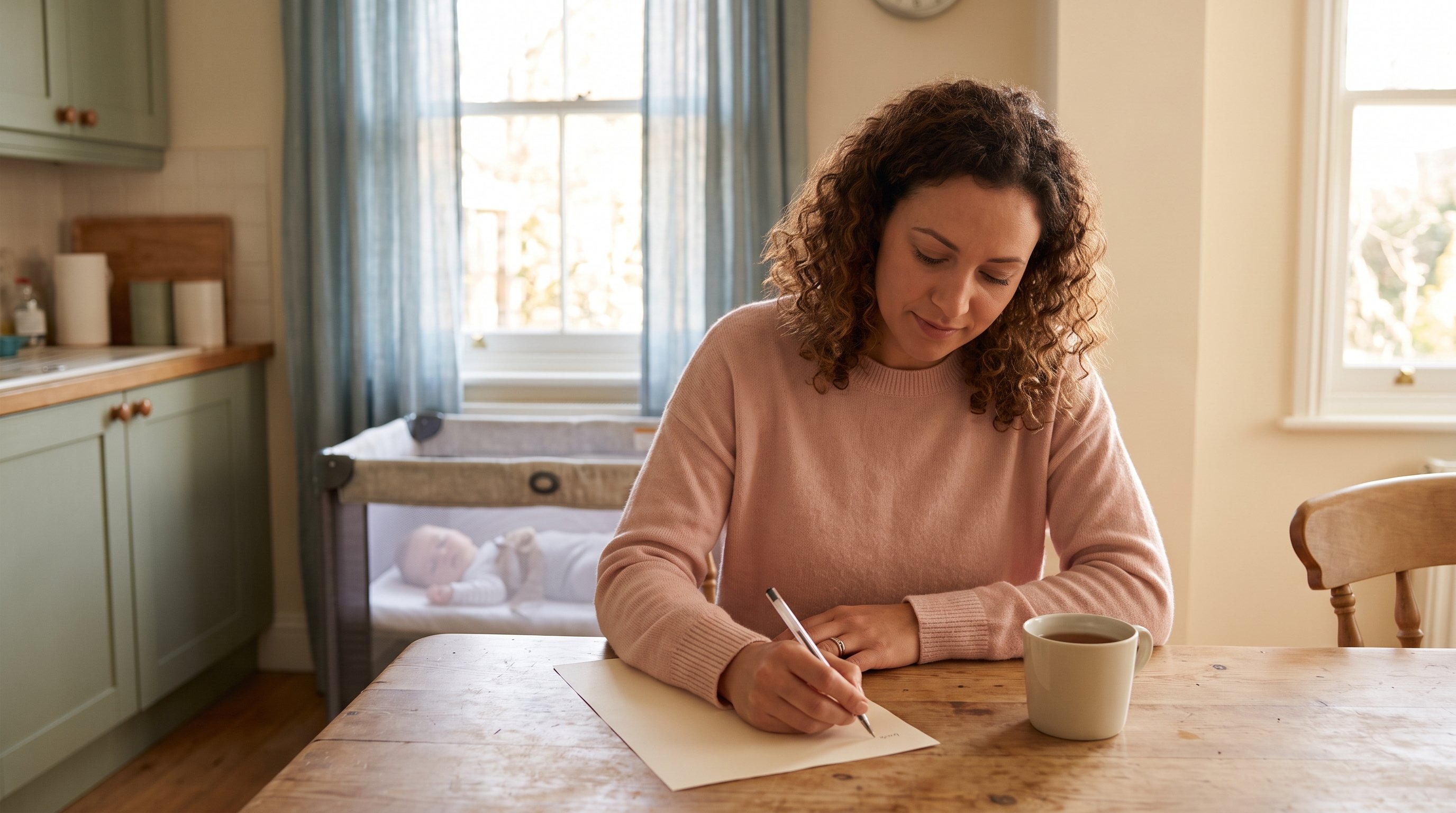
A guided memory book like Welcome Baby gives you a specific page for this stage, so the small shifts in movement do not just blur into "sometime around eight months" in your memory.
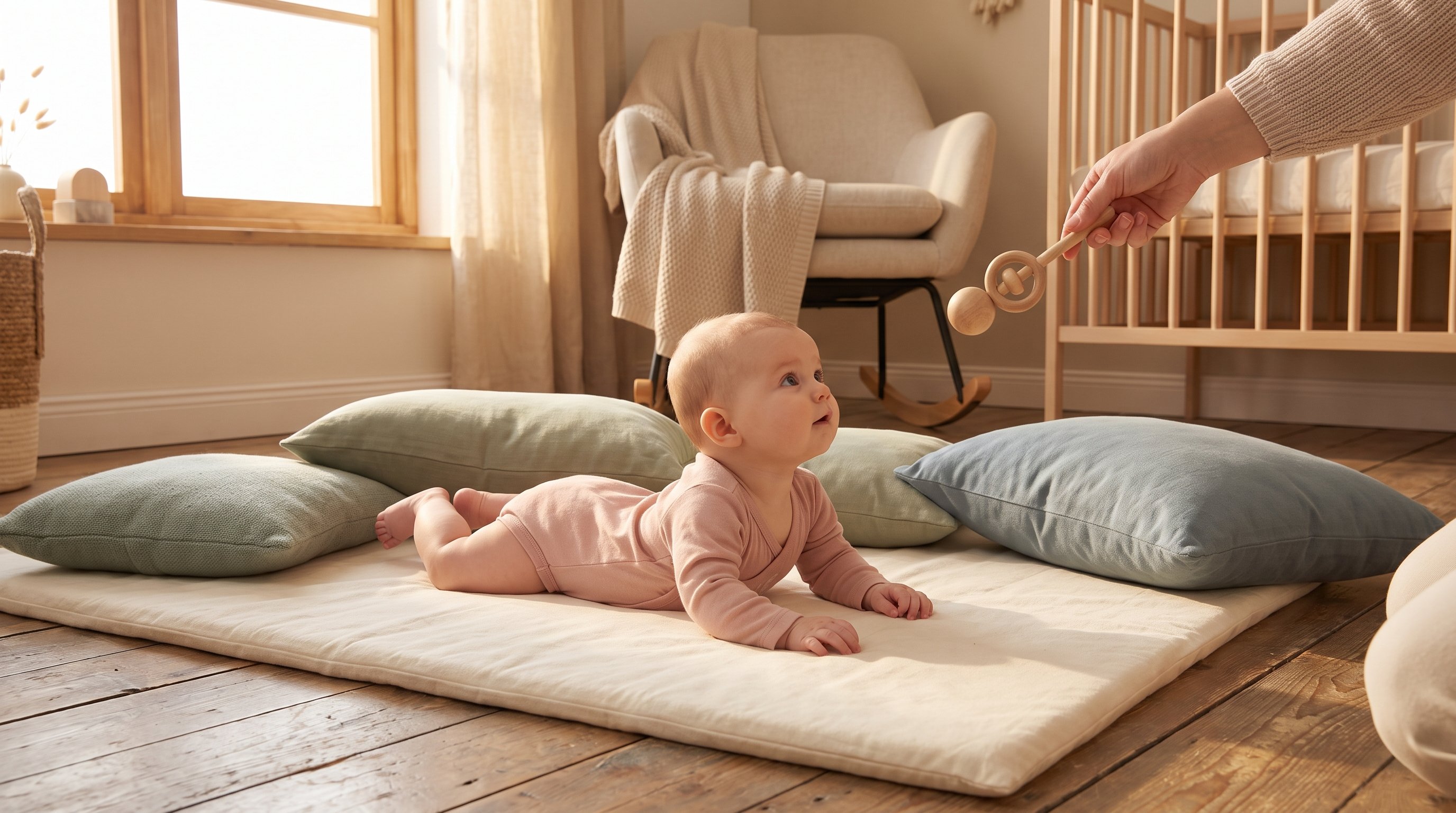
Jotting a line down after a floor session takes less time than scrolling a phone, and it means the detail is actually saved somewhere you will find it again.
Adjusting Crawling Expectations for Different Babies
The Baby Who Skips Crawling Altogether
Some babies go from sitting to scooting on their bottom to standing without ever doing a hands-and-knees crawl. That is simply a different route to the same destination of independent movement.
The Baby in a Small Living Space
A smaller floor area is not a disadvantage. Short bursts of reaching and rocking work in a tight corner just as well as they do in an open room.
The Baby With an Older, Mobile Sibling
A sibling crawling or walking nearby often gives a younger baby something to watch and copy, which can make floor time feel less like a solo chore for parents to supervise.
The Baby Who Prefers Being Held
A baby who protests floor time can still get movement practice in short, frequent bursts rather than one long session, building tolerance gradually instead of all at once.
What the Weeks Before Crawling Usually Look Like
Many parents notice a stretch where a baby seems stuck, rocking on hands and knees for days or weeks without actually moving forward.
That stall is not a sign anything has gone wrong. It is often just the strength-building stage before the coordination piece clicks into place.
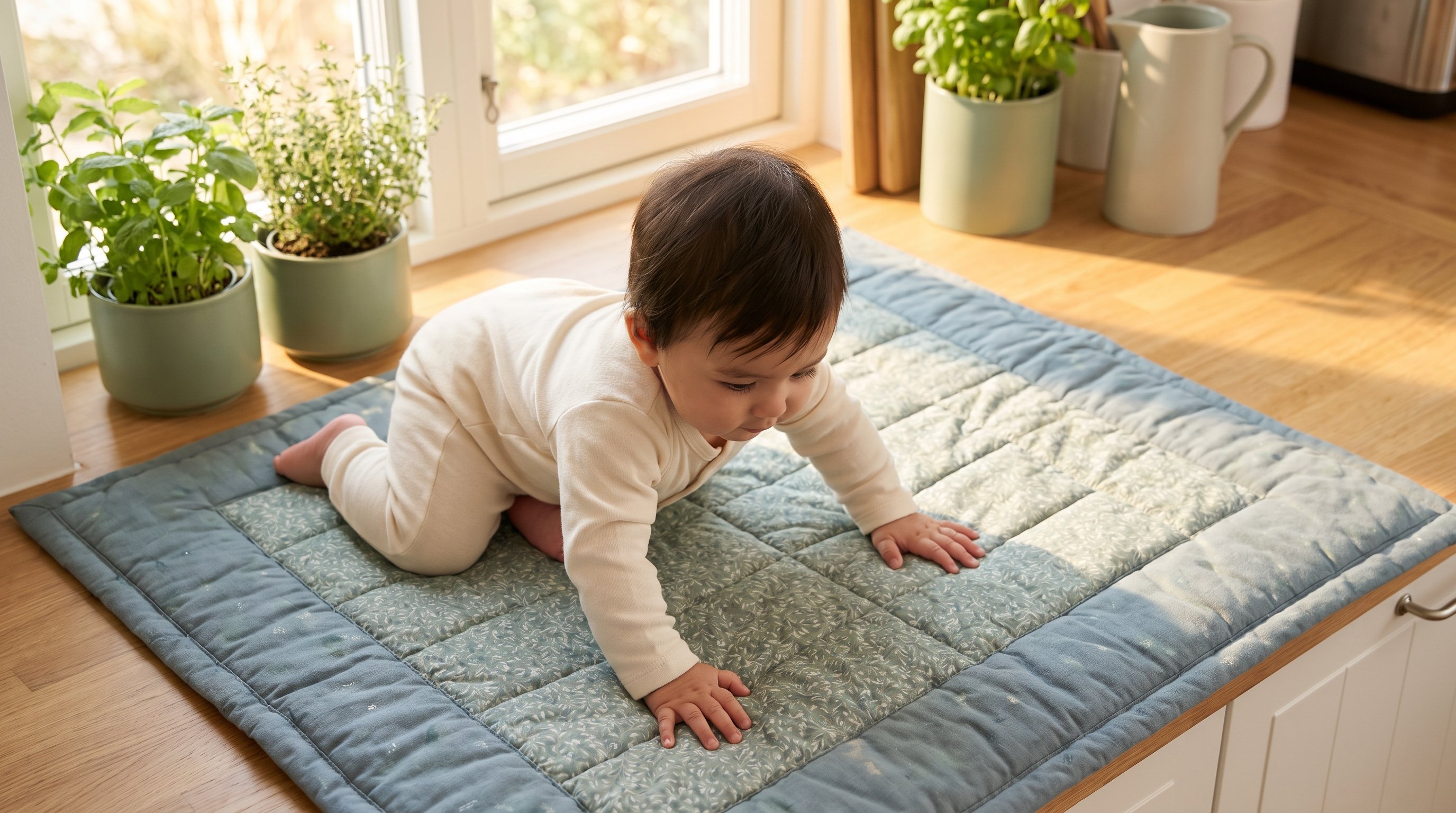
It is hard to say exactly when any one baby will move from rocking to actual forward motion, and that is worth sitting with rather than rushing past.
Keeping a loose note of the stages, rocking, scooting backward before forward, the first real forward push, helps the timeline make sense later even when it feels slow in the moment.
Recording the Crawling Milestone With Welcome Baby
Generic milestone charts give you an age range and not much else, which is honest but not always useful when you are trying to remember the actual day something happened.
Welcome Baby is built around guided memory pages that give the crawling stage its own dedicated space, so you are not hunting through old notes or photo albums trying to piece together when it started.
Because the book is designed to be filled in over time rather than rushed, it holds up whether crawling arrives early, late, or gets skipped in favour of bottom-scooting - the record still makes sense either way.
Prepare For Your Baby
Your Baby Plan
Making Space for This Stage Without the Pressure
The most useful thing you can do this week is put a blanket down, scatter a few toys just out of reach, and let the baby work it out on their own terms.
Write down whatever happens, even if it is just rocking in place, because that detail is part of the real story and Welcome Baby gives it somewhere to live.
FAQ
Most babies begin crawling somewhere between 6 and 10 months, though the exact age varies quite a bit from baby to baby. Some move earlier, some later, and some skip the classic hands-and-knees crawl entirely.
No. Plenty of babies move straight from sitting to bottom-scooting to standing and walking without ever doing a traditional crawl, and that is simply a different path to the same outcome.
Crawling depends on arm and core strength building up gradually through regular floor time, so there is no quick fix to speed the timeline along. Keeping a space where a baby wants to spend time on the floor is the most practical thing a parent can control.
A quick note on the day it happens, even a single line, is usually enough to keep the detail from fading. Welcome Baby gives the crawling stage its own guided page, so that note has a proper home instead of getting lost in a camera roll.
Share this post