When Do Babies Start Talking? A Realistic Sound-By-Sound Guide
By:Author:Welcome Baby Editorial
Updated on:October 20, 2026
- What a Week of Early Language Building Looks Like
- How Much Talk and Listening Actually Helps
- Why Everyday Chatter Beats Structured Flashcard Drills
- Fitting Early Talking Habits Into Already-Full Days
- Adjusting the Approach for Different Family Situations
- Setting Expectations for the Months Between Sounds and Words
- Capturing First Sounds and Words With Welcome Baby
- Keeping Track Without Losing the Moment
Most babies start cooing around 2 months, babbling around 6 months, and saying a first recognisable word somewhere between 10 and 14 months - but the range either side of that is wide and normal.
Talking builds in layers: breath control, mouth and tongue coordination, hearing patterns in speech, then connecting sounds to meaning. Each layer has to settle before the next one shows up, which is why progress can look slow and then suddenly obvious.
This guide walks through what a typical week of sound development looks like, how much talking and listening actually helps, why simple daily interaction beats structured drills, and how to fit it into days that are already full.
What a Week of Early Language Building Looks Like
You don't need a curriculum for this. A week of ordinary moments, narrated out loud, does the job.
A Simple Week to Copy
- Monday to Friday mornings - narrate getting dressed and fed, naming each item as you go
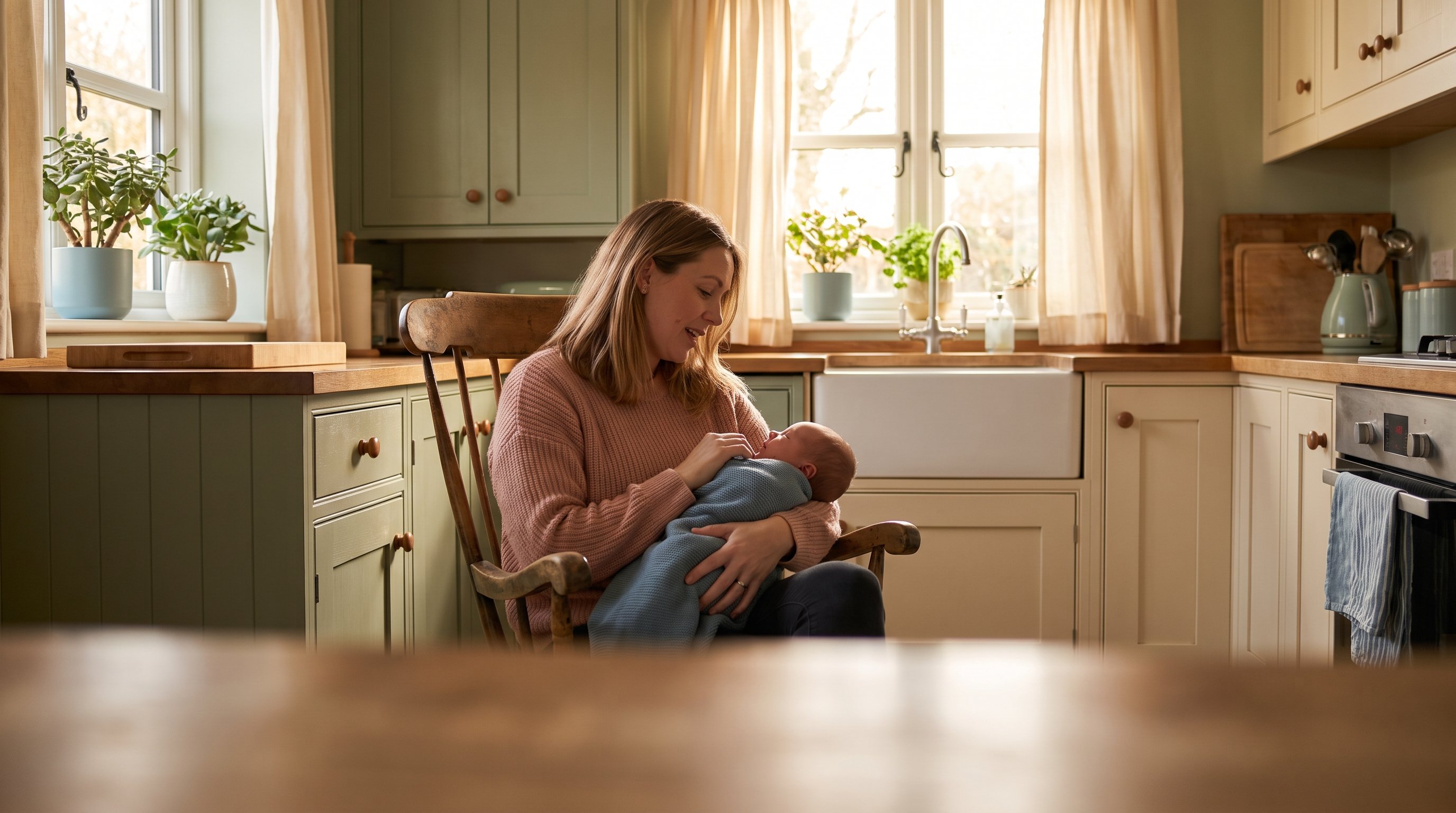
- Every nappy change - a short back-and-forth where you pause after talking, leaving room for a coo or babble in reply
- Bath time, twice a week - naming body parts and water, water, bubbles while washing
- One short book, daily - pointing at pictures and naming what's on the page, even before baby can respond
- Outdoor time, a few times a week - naming what you both see and hear, like dog, car, wind
None of this needs to be long. Short, repeated moments across the day add up faster than one long sit-down session ever could.
How Much Talk and Listening Actually Helps
There Isn't a Magic Number
There's no set minute count that guarantees faster talking, because babies pick up language through repeated, responsive exposure rather than a quota.
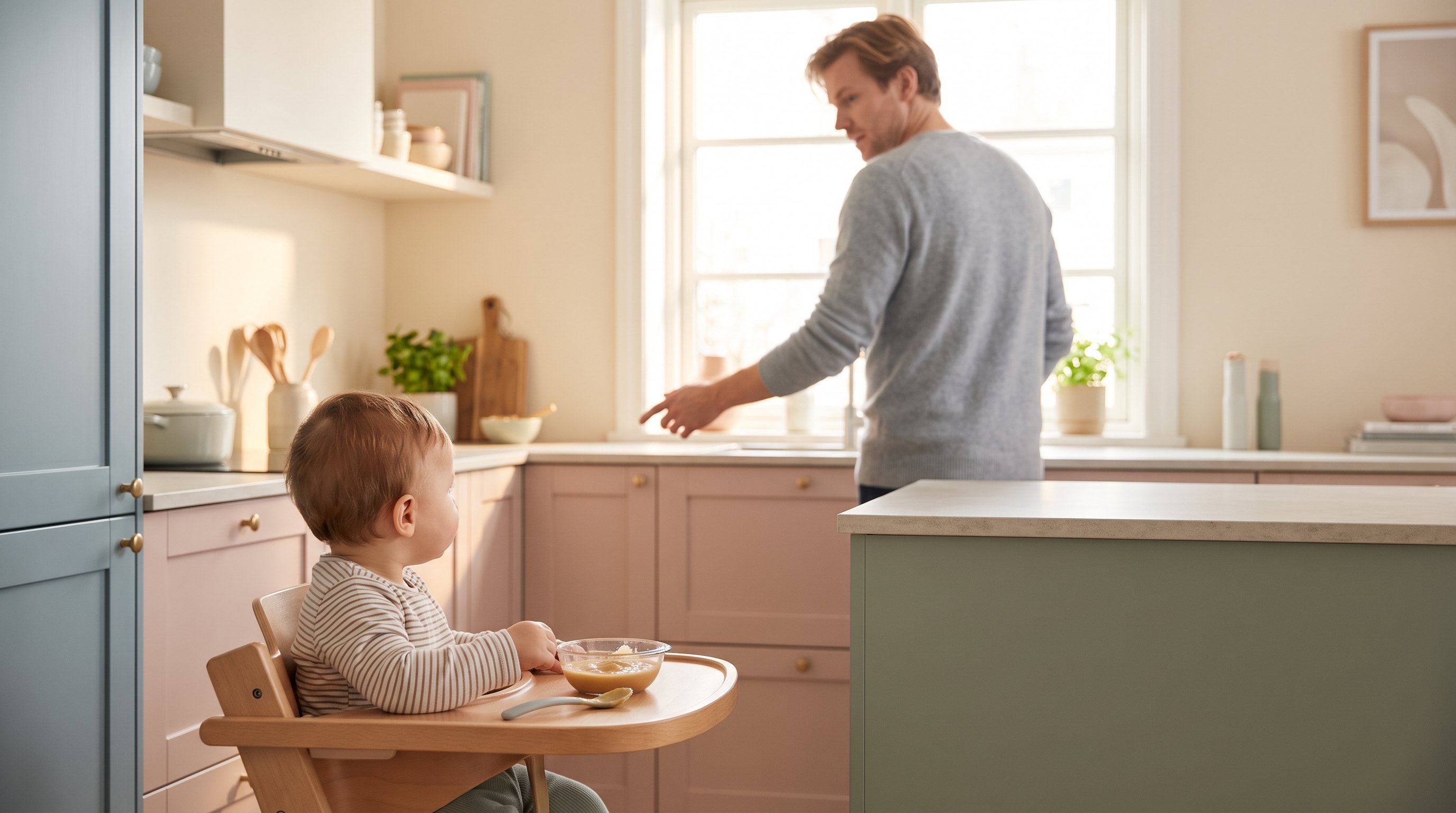
What does seem to matter is the back-and-forth - talking, pausing, waiting for a response, then responding back. Here's a rough way to think about frequency across a typical day.
| Moment | Frequency | Focus |
|---|---|---|
| Nappy changes | Several times daily | Short, simple narration |
| Mealtimes | 2 to 3 times daily | Naming food and actions |
| Book time | Once daily | Pointing and naming |
| Play time | A few times daily | Pausing for a response |
| Outdoor time | A few times weekly | Naming new sounds and sights |
Why Everyday Chatter Beats Structured Flashcard Drills
Flashcard drills ask a baby to sit still and perform on command, which most babies this age simply won't do for long. Everyday chatter - narrating the changing table, the car ride, the walk to the shops - asks nothing of the baby except to be nearby and listening.
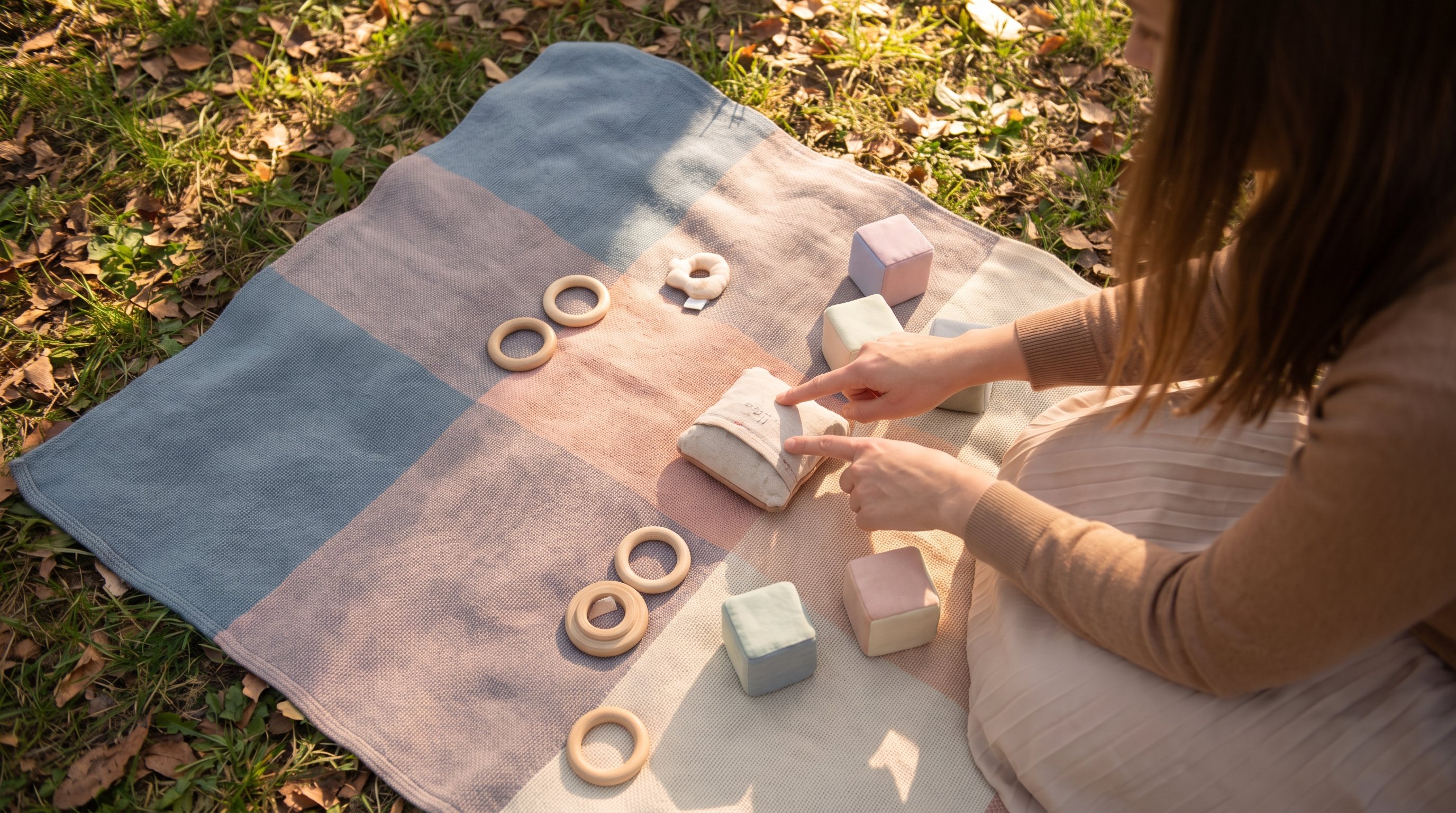
That's the whole adherence argument: a parent can keep up a running commentary for months without it feeling like a chore, but nobody keeps up flashcard sessions past week two.
The easier route wins here because it's the one that actually keeps happening, day after day, without anyone having to remember to do it.
Fitting Early Talking Habits Into Already-Full Days
The moments that build early language are already happening - feeding, bathing, driving, walking the dog. The only shift is narrating them out loud instead of doing them in silence.
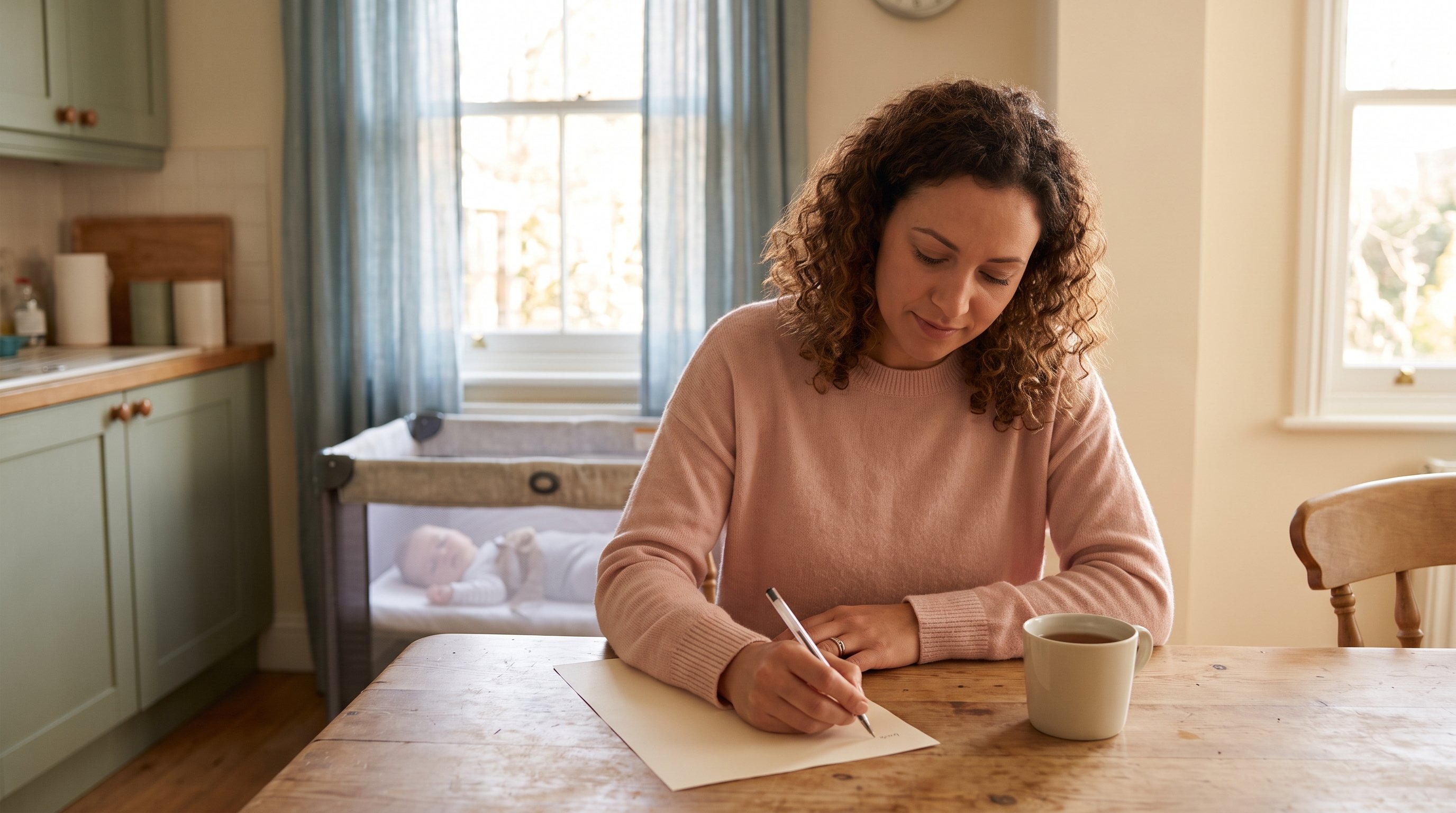
Jotting down the first coo, the first string of babbled sounds, or the day a word clicks into place is its own kind of record - and that's where Welcome Baby fits in, with guided pages built for capturing exactly these small, easy-to-forget moments.
You don't need extra time set aside. You need somewhere to notice what's already there.
Adjusting the Approach for Different Family Situations
For a First-Time Parent
It's easy to feel like every sound should be labelled and logged, but simple narration during normal routines is enough - there's no extra script to learn.
For a Busy Household With Older Siblings
Older children narrating and chattering to the baby counts just as much as a parent doing it, so let that happen naturally instead of trying to orchestrate quiet one-on-one time.
For Multilingual Homes
Hearing more than one language doesn't confuse babies into talking later - it just means the sound-making stage covers a wider range of sounds before words settle in either language.
For a Baby Who Seems Quieter Than Others
Some babies are simply more watchful and save their sounds for familiar faces, so a quieter baby in public isn't the same as a quieter baby at home.
Setting Expectations for the Months Between Sounds and Words
This is the stretch where parents often lose confidence - babbling can sound the same for weeks before a recognisable word appears out of nowhere.
That flat-feeling stretch isn't a sign of nothing happening. It's usually the listening and sound-mapping layer doing quiet work before it shows up out loud.
Try not to measure progress week by week. Measure it month by month, and keep the bar low: more sounds, more variety, more attempts at copying - those count as progress even without a clear word yet.
Capturing First Sounds and Words With Welcome Baby
Generic advice about talking to your baby is true but it's not specific to your baby - what sounds they make first, what word they land on, which routine gets the most giggles out of them.
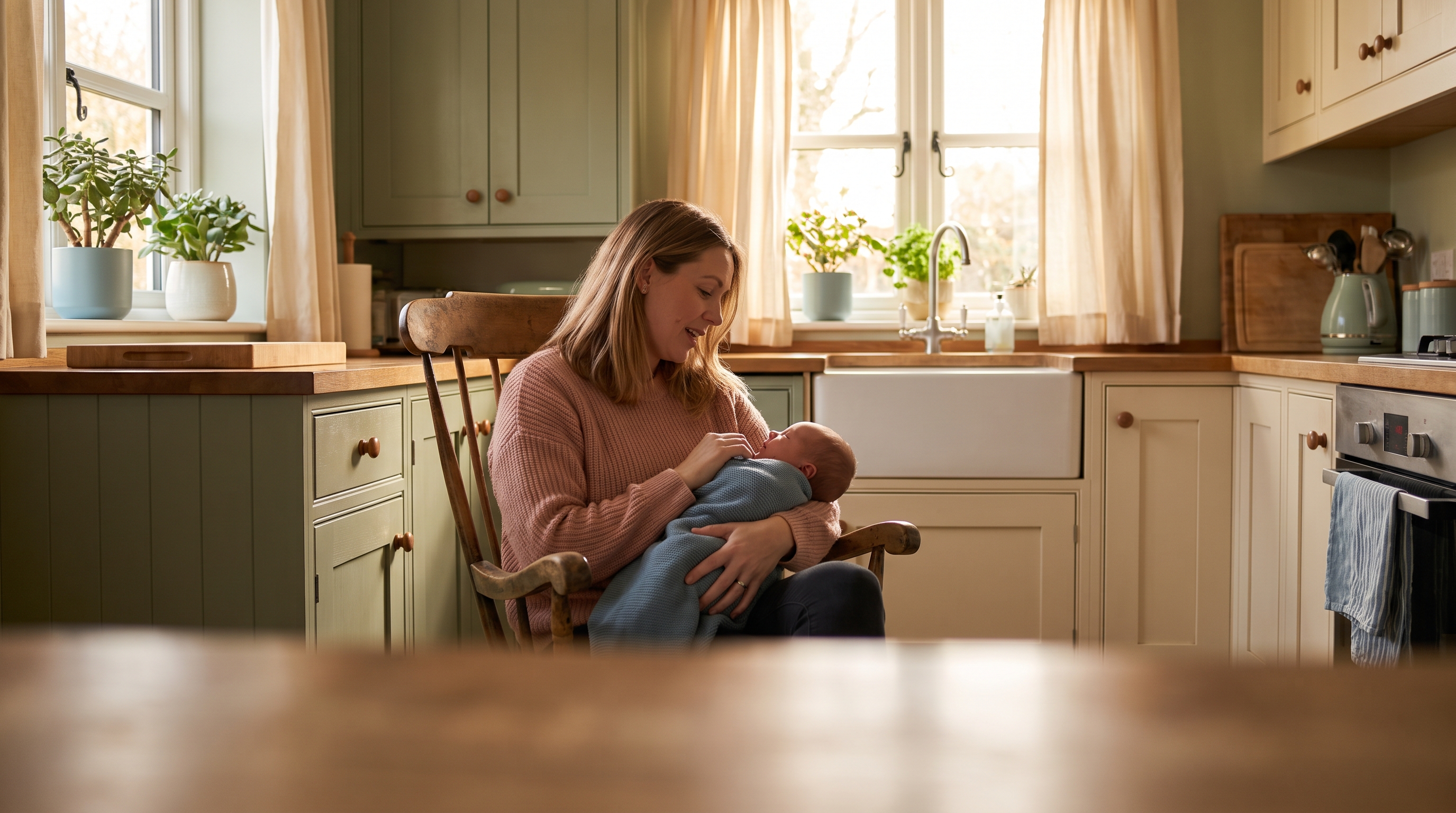
Welcome Baby was built as the first customized baby book designed to capture that specificity. Its guided memory pages give you a structured spot to record the actual sounds and first words as they happen, rather than trying to remember them later, and the gentle prompts and articles woven through it offer support for the early-talking stage without turning it into homework.
Prepare For Your Baby
Your Baby Plan
Keeping Track Without Losing the Moment
The first real word usually isn't planned or filmed. It happens mid-nappy-change or halfway through a car ride, and it's gone before anyone thinks to write it down.
One practical step: keep whatever you're using to record moments within reach - a notes app, a journal, or a book like Welcome Baby - so the word gets captured the same day it happens, not reconstructed from memory a week later.
FAQ
Many babies land their first recognisable word somewhere between 10 and 14 months, though some get there earlier and some later. A single word a few months either side of that window isn't unusual on its own.
No - talking develops through live back-and-forth interaction, not passive listening to a screen. A person responding to a sound is what moves things along, not the sound itself.
Lots of varied babbling is usually a good sign that the sound-making groundwork is well underway. A recognisable word often follows that stage rather than appearing before it.
A dedicated spot for notes helps, since early sounds and almost-words are easy to forget within days. Welcome Baby's guided pages are built specifically for jotting these moments down as they happen.
Share this post